
62%
Reduction in fuelwood consumption
80%
Reduction in fire incidents
90%
Decline in illegal activities
12.65%
Reduction in vegetation loss
55.81%
Increase in forest cover
Contributes to climate change adaptation and mitigation
Enhanced biodiversity of plants, mammals, reptiles, amphibians, and birds
509.5 million
Tonnes of CO₂ stored within the EAMs
8,751 ha
of degraded land restored
- 2,932,675 indigenous trees planted in degraded areas
- 182 VNRCs with village by-laws established and operationalized
- 5,425 patrols conducted, protecting 447,612 ha of PAs
- 1,654 km of firebreaks established and maintained
- 37 boundary beacons installed
- 10,015 km of forest boundaries maintained, with 1,411,302 indigenous trees planted
- 4,340 km of nature trails and drive routes maintained
- 48 VNRCs/VGSs strengthened through training and provision of HWC toolkits
- 8 PAs GMPs and an Ecotourism Marketing Strategy implemented
- 259+ water sources protected
- 45 campsites rehabilitated
- 671 community groups established
- 182 villages supported
- 95 schools engaged with 23,970 pupils/students
- 13 alternative livelihood options adopted
- 328,884 community members benefited
- 1,429 pigs owned by beneficiaries
- 2,124 dairy goats provided, replicated 1,482 kids
- 294 dairy cows owned by beneficiaries
- 790 kg of sunflower seeds provided
- 710 fish ponds constructed and 461,500 fingerlings supplied
- 273 tree nurseries established and 1,955,575 trees planted
- 59,160 chickens provided and 107,200 owned
- 520 kg of soybean seeds provided and 52,000 kg harvested
- 17,107 butterfly pupae produced
- 129 kg of mushroom seeds provided and 14,493 kg harvested
- 326,409 fuelwood energy efficient stoves installed
- 16 biogas plants technology installed
- 4,095 Beehives owned with 92,950 kg of honey harvested
- 12 Districts reached with project interventions
- 9 Protected Areas under active support
- 7,947Ha of degraded land rehabilitated
- 2.8Mil Indigenous trees planted
- 4,851 Patrols conducted in the Protected Area
- 3,973Km Nature Trails & Drive Routes maintained
- 1,403Km of fire lines maintained
- 95% reduction in forest fires
- 24,121 of community members employed as casual Labors
- 9 Local tour guide groups supported
- 9 Cultural Tourism Groups supported
- 37 Beacons installed in Protected Areas
- 8,986 Km Forest Boundaries Maintained
- 169 Supported Village Natural Recourses Committees (VNRCs) with respective Village by-laws
- 9 Villages supported with Land Use Plans development
- 3.3 Mil Fuelwood Efficient Stoves constructed
- 16 Biogas Plant technology installed
- 50% reduction on fuelwood use
- 93 schools engaged on conservation education projects
- 12 Mil trees planted in schools and Village Areas
- 23,970 students engaged as conservation ambassadors
- 93 tree nurseries established
- 12 Different types of Income Generating Activities (IGAs) supported and adopted by local communities
- 205,443 Community members reached on IGAs
- 50.9% men, 49.1% women: gender inclusion in project interventions
- 126 Groups of beekeeping formulated
- 4,095 Beehives facilitated
- 62 Groups of fish farming formulated
- 620 fish ponds owned by communities
- 16 Groups of cow husbandry formulated
- 240 cows owned
- 36 of Pigs keeping groups formulated
- 2,304 pigs owned
- 34 Groups of Goats keeping formulated
- 1,904 Goats owned
- 62 of Poultry keeping groups formulated
- 104,000 chickens owned
Total income generated by communities living adjacent to the Eastern Arc Mountains across key livelihood projects
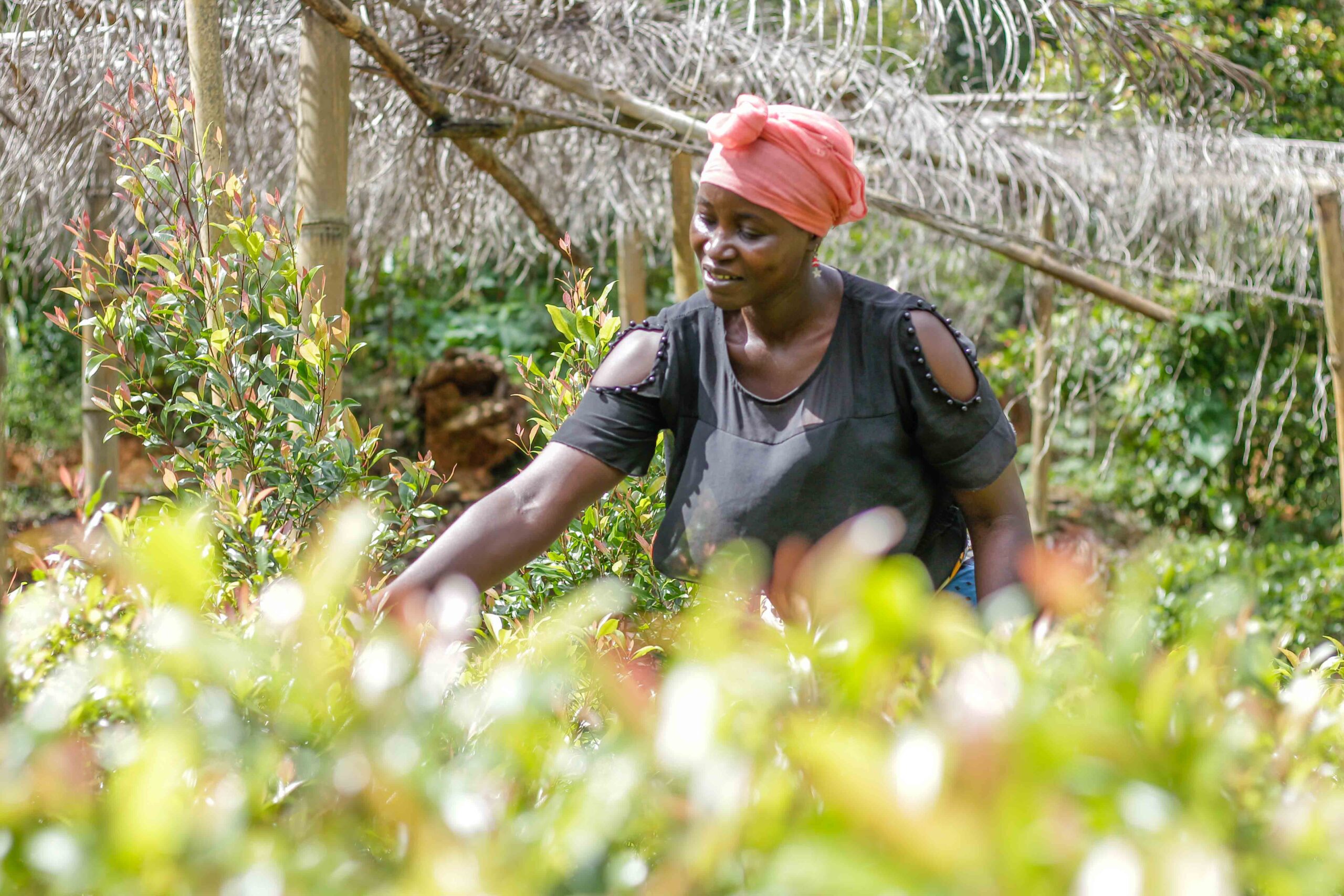
Income generated by PAs
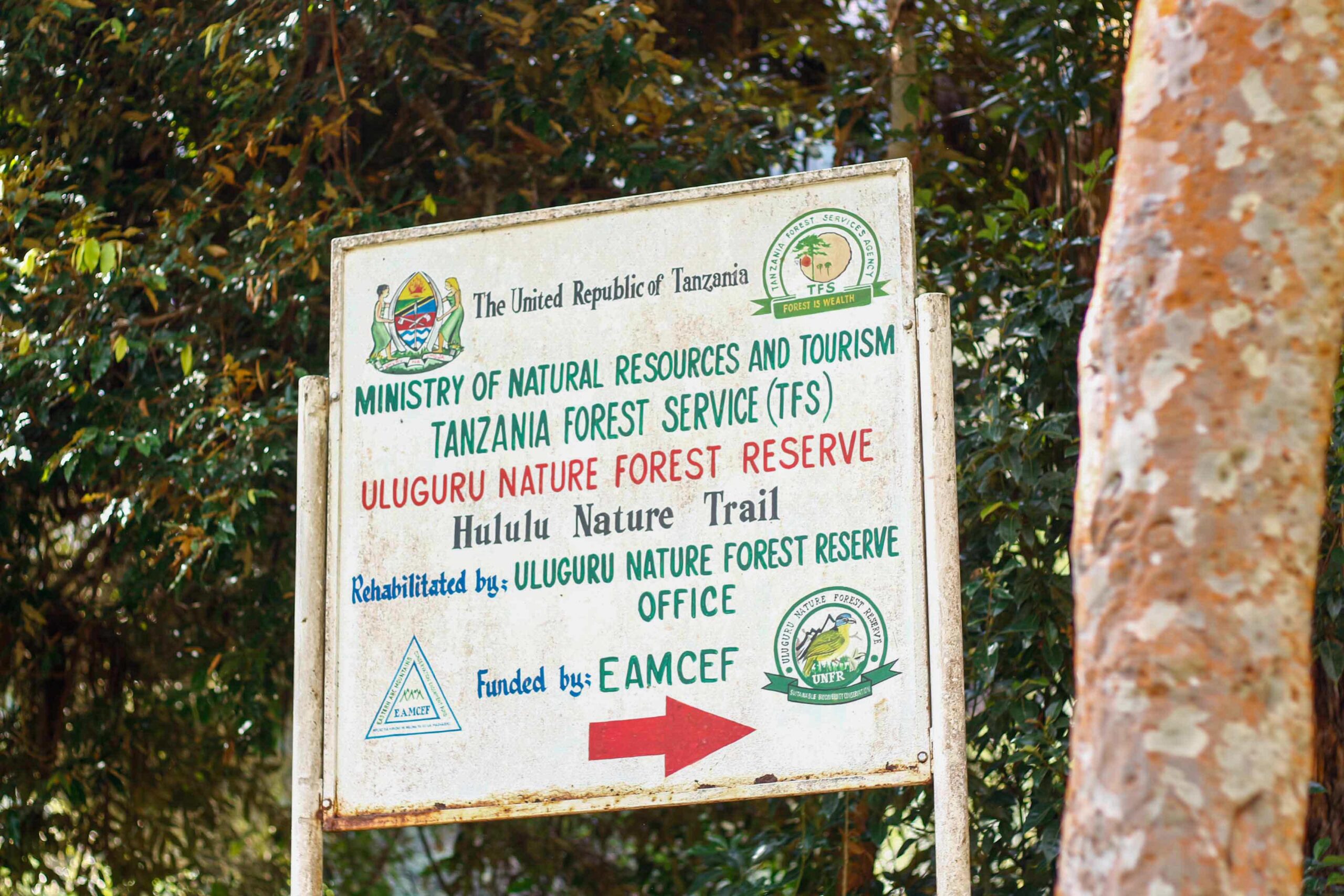
KEY FEATURES
13
separate Mountain blocks forms the Eastern Arc Mountains
600
Kilometres of a broad arc formed by EAMs blocks
23k
square kilometres of the area covered by EAMs blocks
12
of the EAMs blocks are within Tanzania, spreading in over 15 Districts
40%
of Tanzania’s remaining Tropical high forests are within the EAMs blocks
0.54
Million Square kilometres of the Eastern Arc Mountains blocks are covered by tropical forests
200
Tons of Carbon released into the atmosphere per each hectare degraded
509.5
Mill. tons of carbon estimated to be stored in the Eastern Arc Mountains forests, potential for climate change mitigation
