Skip to content
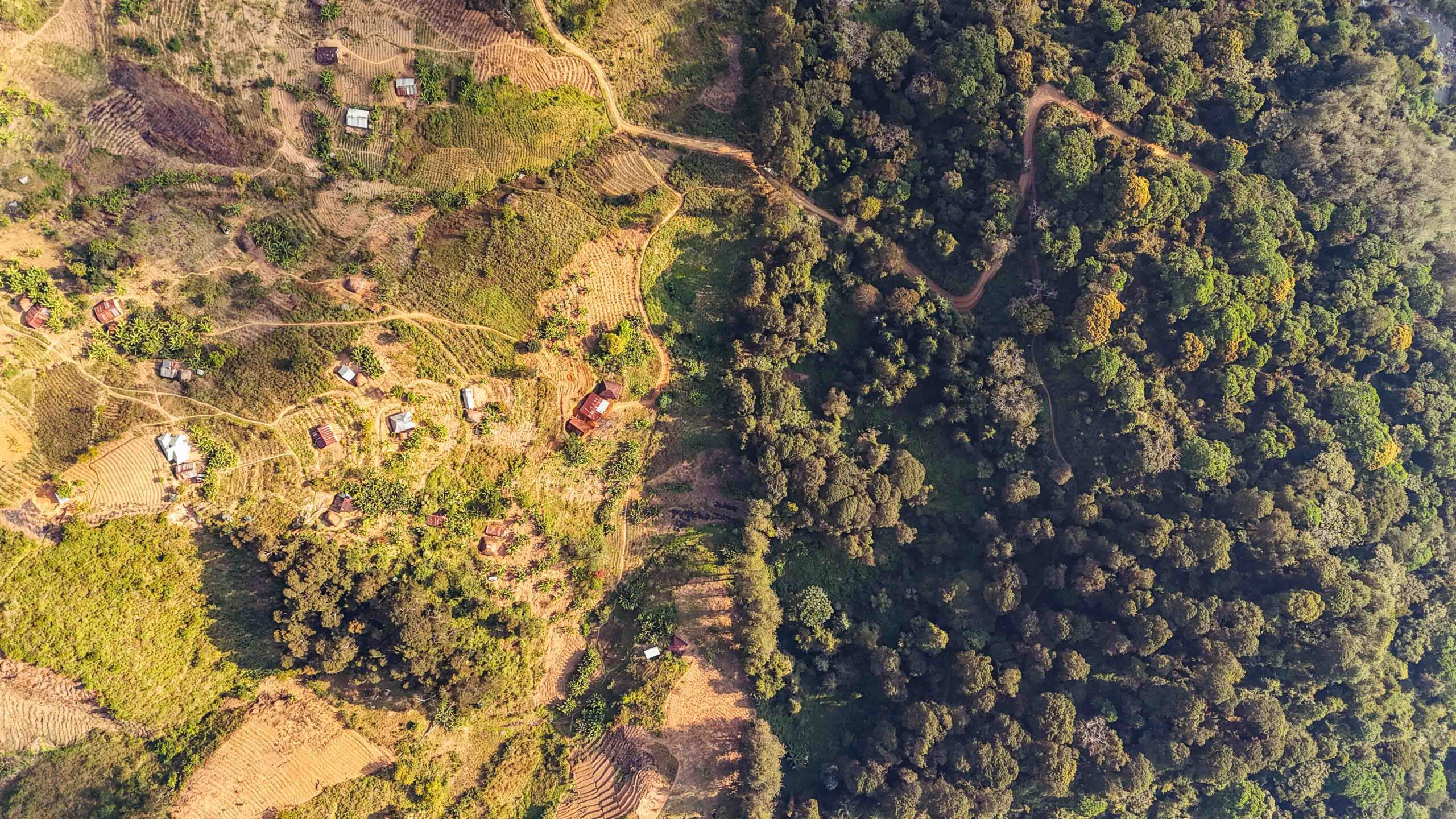
DJI_20240810100314_0159_D

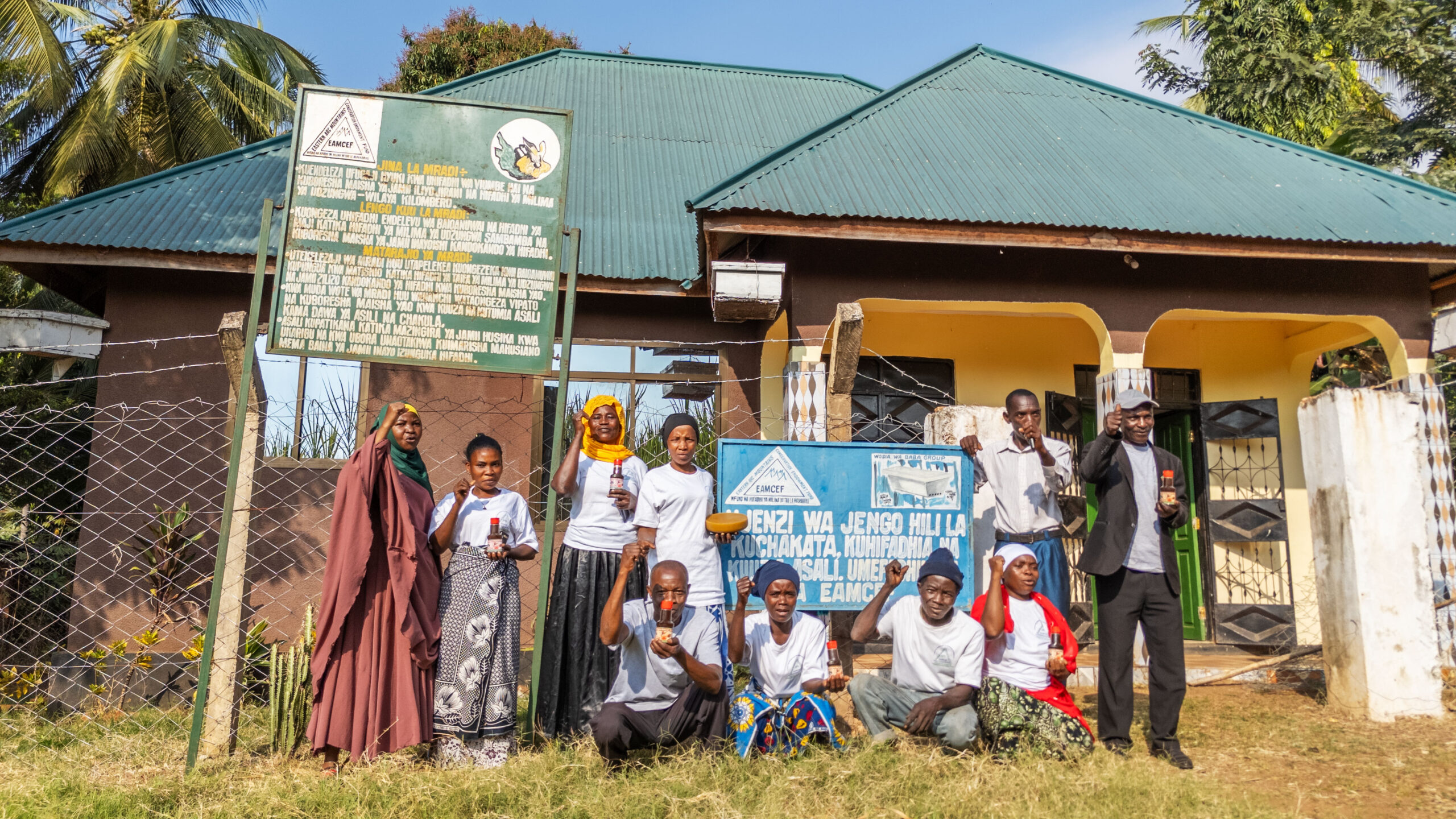
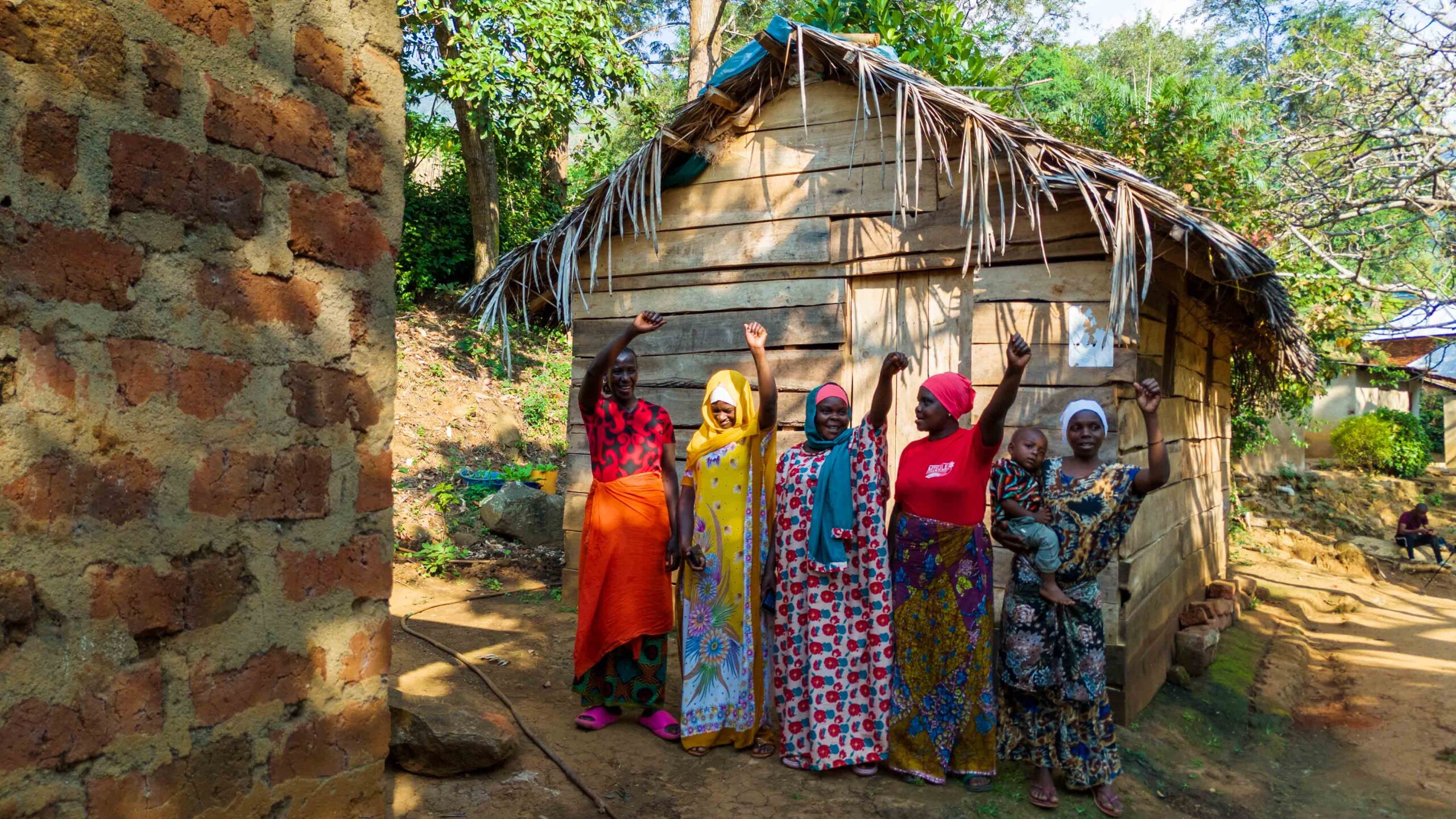
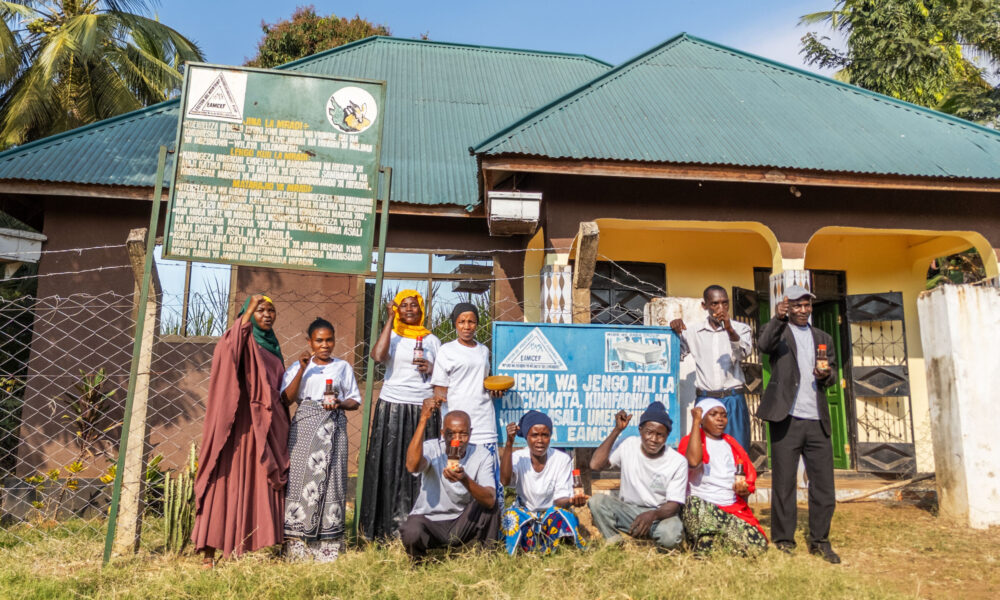
Beekeeping has transformed lives in Msufini Village, where the Wosia wa Baba group embraced sustainable beekeeping through support from the Eastern Arc Mountains Conservation Endowment Fund (EAMCEF). Starting with 50 beehives, the initiative has grown into a major community livelihood, generating over 120 million Tanzanian shillings from honey sales between 2023 and 2024. This income allowed the group to build a headquarters for processing and selling honey, create a savings fund, and provide medicinal honey to vulnerable elders.

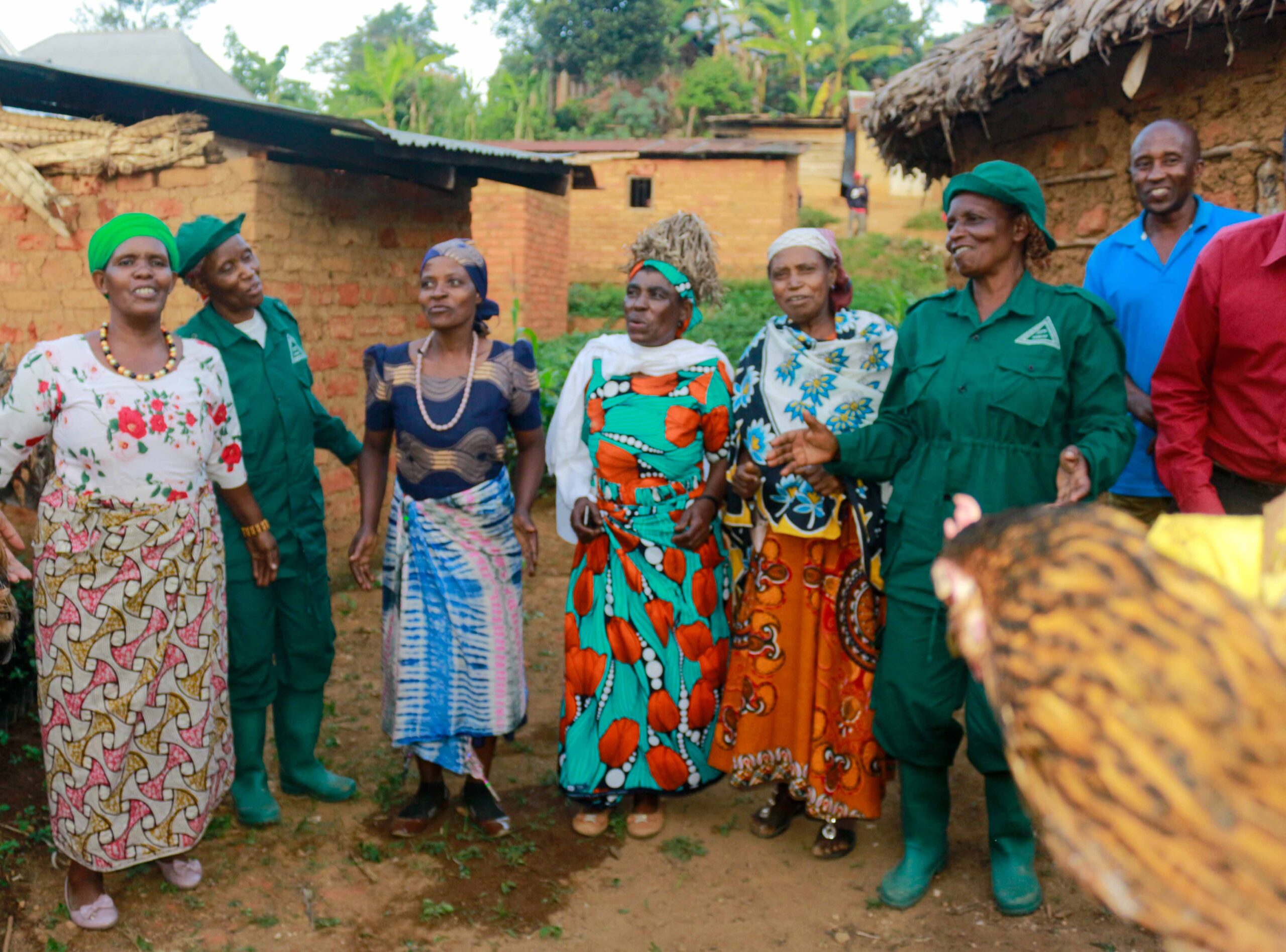
The group, made up of 17 members (11 women and 6 men), now operates 85 beehives—80 of which are modern, high-capacity models. Their achievements have inspired 15 more beekeeping groups in the area, including the women-led Songambele group. Through their COCOBA savings initiative, the group has raised TZS 8.6 million, offering loans with 5% interest. Members like Mwanaamina Said Mkalimoto used these loans to build homes and launch businesses, while others, like Rexon Aaron Mtama, have supported their children’s education with profits from beekeeping.

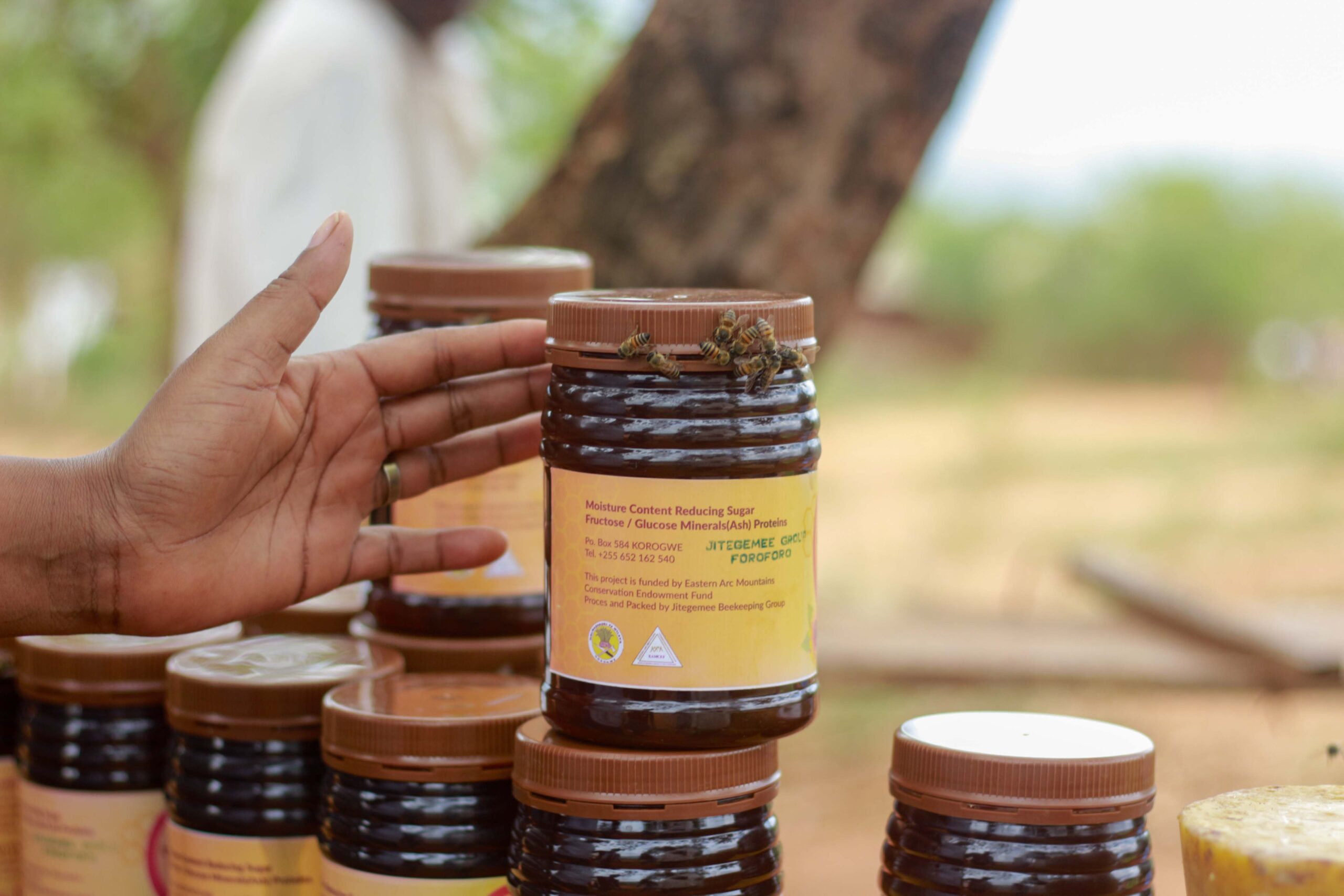
Diversifying their income, the Wosia wa Baba group also rents 30 bicycles—up from 20—for TZS 1,000 per day and uses them for honey transport. They produce additional bee products like beeswax, oils, and candles, increasing their earnings. Similarly, in Foroforo Village near the Nilo Nature Forest Reserve, the Jitegemee Group—also supported by EAMCEF—expanded their income from beekeeping to livestock farming and a group-owned cashew farm. Their model encouraged the formation of the Nguvu Mpya group, promoting income generation through sustainable practices.

Thanks to EAMCEF, beekeeping has not only improved livelihoods but also protected forest ecosystems. Before the project, communities near the Uzungwa Scarp and Nilo reserves used fire to harvest wild honey, damaging the environment. Now, with training and modern tools, groups like Wosia wa Baba and Jitegemee harvest honey safely, proving that beekeeping can conserve forests while sustaining families.
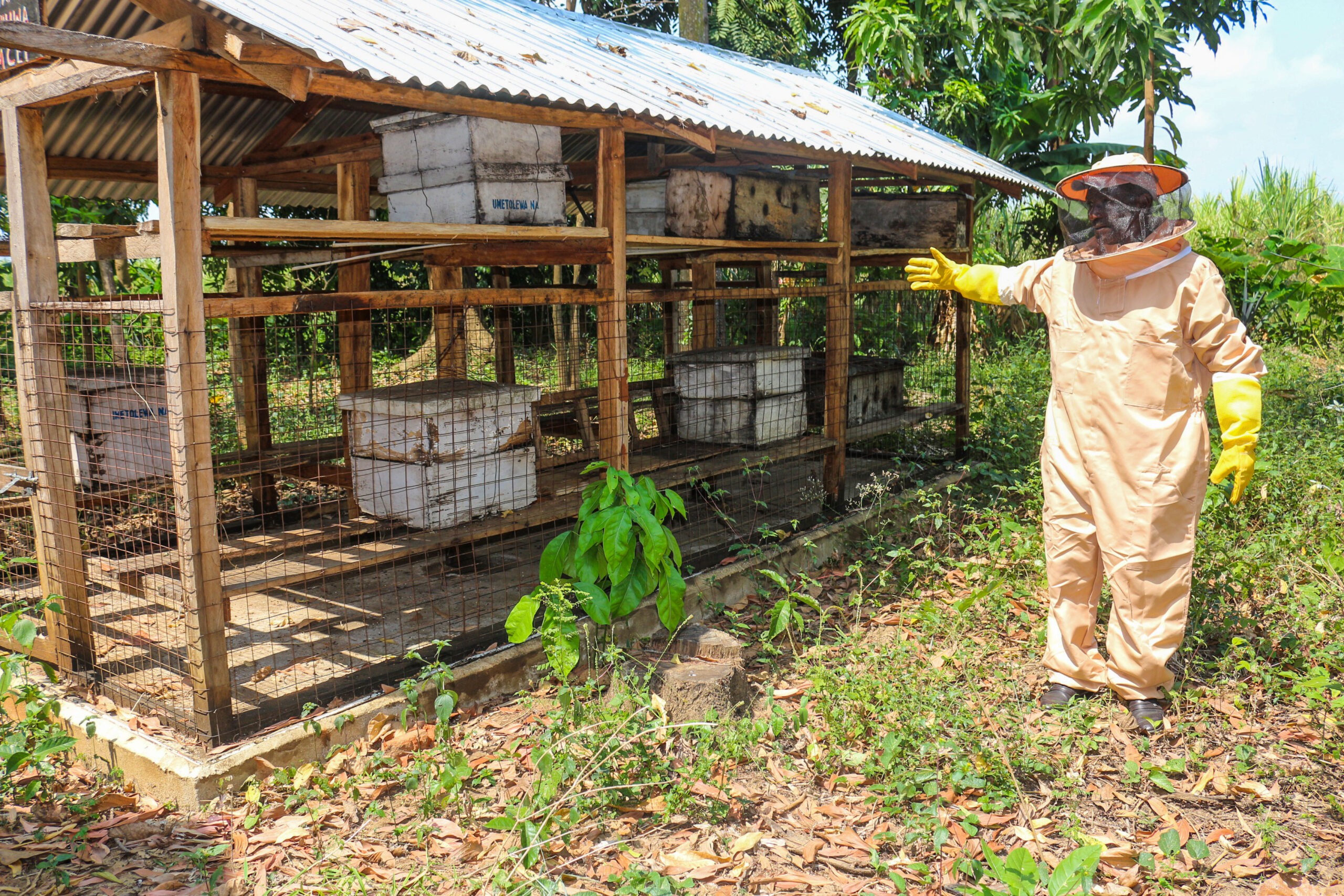
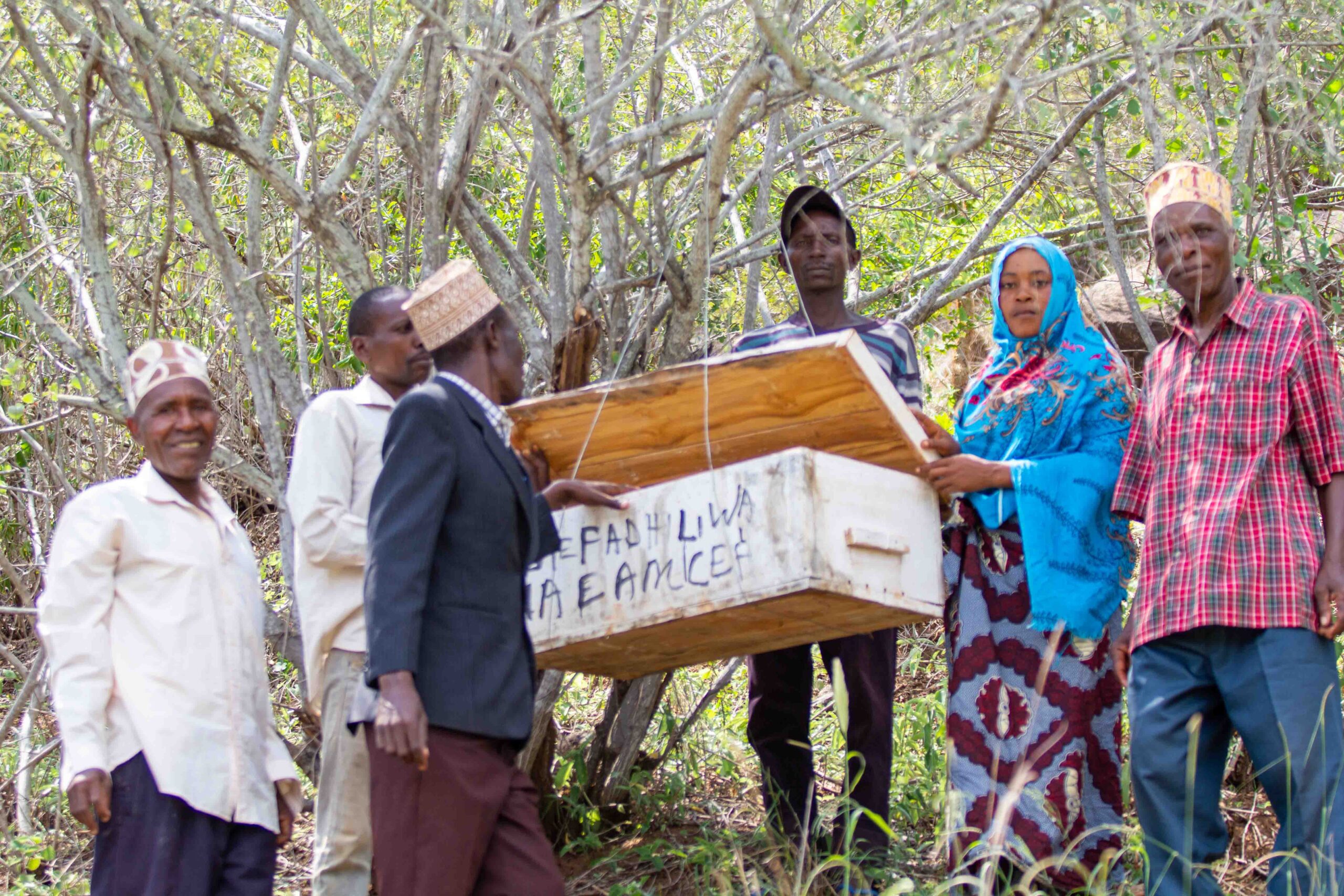
Beekeeping at Wosia wa Baba is practiced in a unique and innovative way. Instead of hanging their beehives on trees as traditionally done, the group chose to build protective shelters to house their hives. This method shields the hives from rain damage and offers better protection against natural predators such as hornets, wasps, and ants, ensuring healthier bees and more consistent honey production.
Story Details

  • Location:
    Msufini village, Kilombero District and Foroforo Village, Korogwe District,
  • District Surrounding Forest:
    Mkingu Nature Forest Reserves and Nilo Nature Forest Reserve 

KEY DATA

  • 142 groups were established and benefited from the project

  • 44 villages were engaged in project implementation

  • 3,380 community members were directly involved

  • 53,110 beehives were developed

  • 8,030 kg of beeswax was produced

  • 668 early adopters managed 975 beehives

  • 1,159,050 kg of honey was harvested

  • TZS 11.785 billion in income was generated

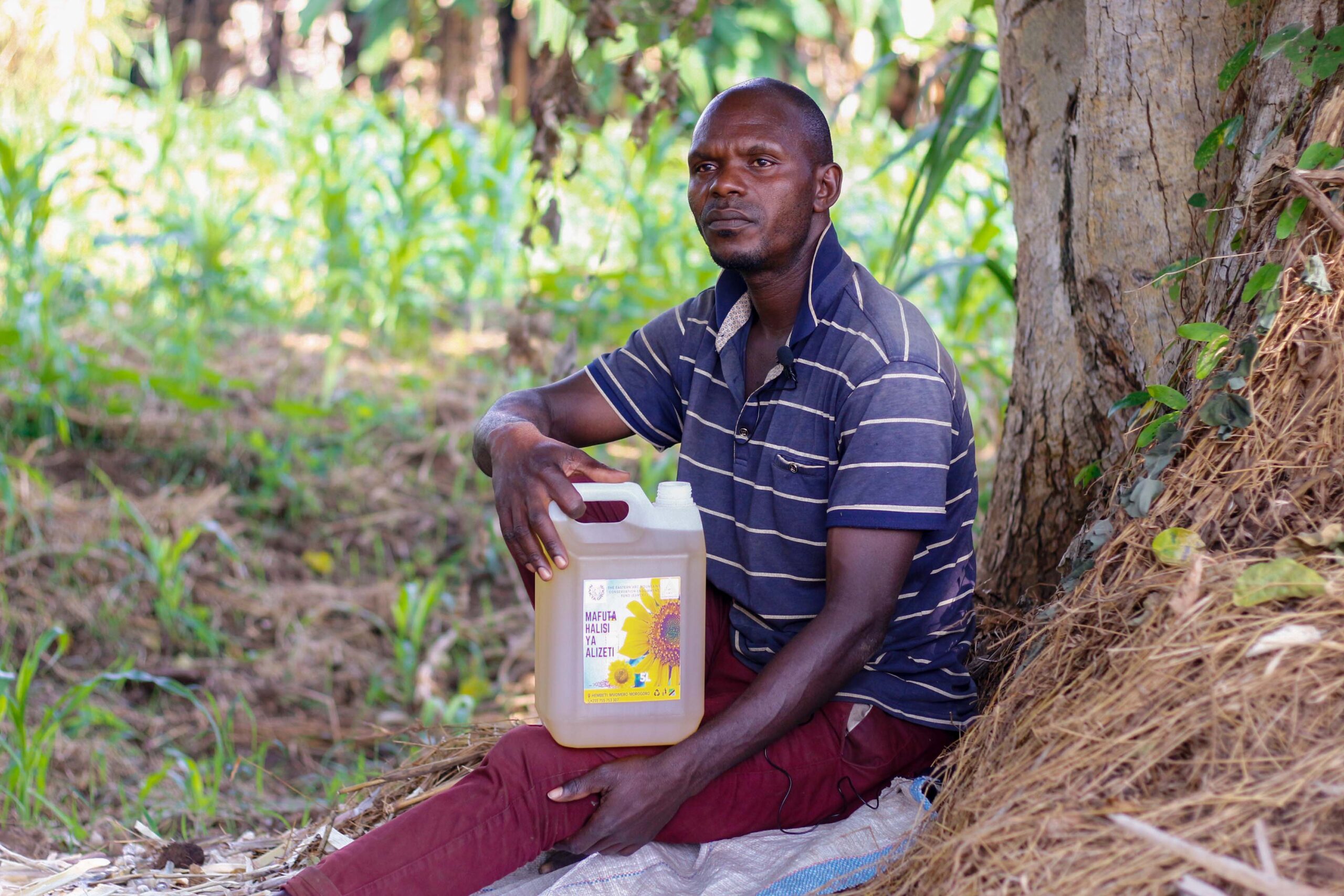
The project has eased access to transportation for HIV treatment and improved our food security with chicken for eggs and meat. Beekeeping provides us with honey, candles, and oils, boosting both our income and well-being. We are now respected in the community and even support non-members in need.

Opportuna Lomwadi Kingwana

KIWAVIKAI has helped me purchase land and start building a house with 4,000 bricks ready. I’ve also harvested rice from six acres and started keeping chicken, which are now laying eggs. This project has brought financial stability and supports my medical needs.

Halima Ulile

The beekeeping project generated TZS 1.5 million from honey sales, and every member received six chicken to rear. I’ve built a house, bought land, and significantly improved my farming output, harvesting 60 bags of rice from five acres. This project has transformed my life and secured my children’s education.

Modestus Yotam Mwambaluka

I purchased a quarter-acre plot of land and hired laborers to expand my farm, thanks to this project. The honey we produce improves my health and supplements my income. I feel empowered to live with confidence and independence despite my health challenges.

Since joining KIWAVIKAI, I have gained confidence and improved my life significantly. The beekeeping project supported by EAMCEF provided us with 80 beehives, training, and modern equipment for honey harvesting. This has enabled me to earn income, improve my health, and pay for transportation to St. Francis Hospital, which was previously a challenge. Today, I can afford nutritious meals, send my children to school, and even rear goats as additional sources of income.

David Hussein Mkumba

“Before joining this group, I had children in school who, unfortunately, lost their father. I helped them. After joining this group, I began earning money to support the children who lost their fathers, as well as raising chicken and ducks.

Mwanaid Hamis Kihiyo

“After seeing the people of Jitegemee producing plenty of honey and earning extra income to support their children’s education by selling honey and beeswax, I was inspired to join beekeeping. Thanks to the Jitegemee group, we are striving to follow in their footsteps and succeed as they have. I express my heartfelt gratitude to the Eastern Arc Mountains Conservation Endowment Fund (EAMCEF), who sponsored Jitegemee, so that we too can benefit from their knowledge.

Juma Mohamed Shekijenda

Joining the Wosia wa Baba group transformed my life. Starting with just a few hives, I now have 20, producing 200 liters of honey annually and earning about 2 million shillings. This income has allowed me to build a two-room house, install electricity, and buy a TV, giving me a lifestyle comparable to city living. I’ve also expanded my rice farming to three acres, ensuring year-round food security for my family. Most importantly, the project has secured my children’s education and given me peace of mind knowing I can support them.

Rexon Aaron Mtama

Before joining Wosia wa Baba, I lived in a small, two-room, thatched house. With the group’s support, I built a six-room home by 2023 and opened a shop earning 100,000 shillings monthly. Thanks to EAMCEF, I’ve moved from poverty to stability, sending one child to university and another to secondary school. I also harvest 50 liters of honey per season, earning an extra 200,000 shillings yearly.

Mwanaamina Said Mkalimoto

I am a widowed woman but no longer frustrated because I use income from beekeeping activities to invest in other productive activities – last year I did not touch any hoe, instead I hired a tractor to plough my farm!

HIDAYA SAID MATAJIRI

Bees [to mean beekeeping] are enough, I remember I almost got bitten by a black mamba [a snake] in search for honey in the forest. I no longer need to go up there [in the forest] again I no longer feel stressed paying school fees for my children, in the past I was very much disgraced…I borrowed TZS. 40,000 to pay for school fee, but ended up repaying one sack of paddy worthy TZS. 100,000!

RECKSON ARON MTAMA (Secretary - Wosia wa Baba Group)

We [the group] are like conservators, by practicing beekeeping we know that bees depend on the environment around so we don’t allow anyone to cut trees or burn them down…I am very much enthusiastic about the project and I am now a good teacher to others. I would advise the villagers to ensure that during village land use planning exercise, a large chunk of land is set aside for tree planting and beekeeping activities. This will reduce pressure on protected forests since the woodlots would provide firewood too.

RAJAB MOHAMED MALIPA

We received 50 modern beehives from EAMCEF, in 2016 alone each hive produced 15-20 litres of honey – five times the amount produced from traditional beehives! In 2016 alone, we sold 250 litres of honey for TZS. 2,500,000 and used part of the money to lease a two-acre farm where we planted sugarcane. From sugarcane, we earned another TZS. 2,500,000 and used part of it to initiate another business – we bought 10 bicycles and hired them for transport services within the village, from bicycles we got TZS. 5,000,000 within 6 months. Each group member receives a 25% dividend, I used mine to buy a bicycle for my son who used to walk 14KM every day for school. With the bicycle, my son can now get back home early and do his assignments… he now gets 70-80% grades than the usual 50-55% in his exams. Our success as a group has promoted formulation of 15 other beekeeping groups within the village, villagers are no longer risking their lives in the forests for income.

Our group has made a difference in the village, we are lending money to people in critical needs, especially to members of the village community banks (VICOBA) without charging any interest. Our group saved the lives of 4 villagers who were very sick but unable to afford hospital costs.

GODFREY DANIEL HORO (Chairperson, Wosia wa Baba Beekeeping Group)
Back To Top